
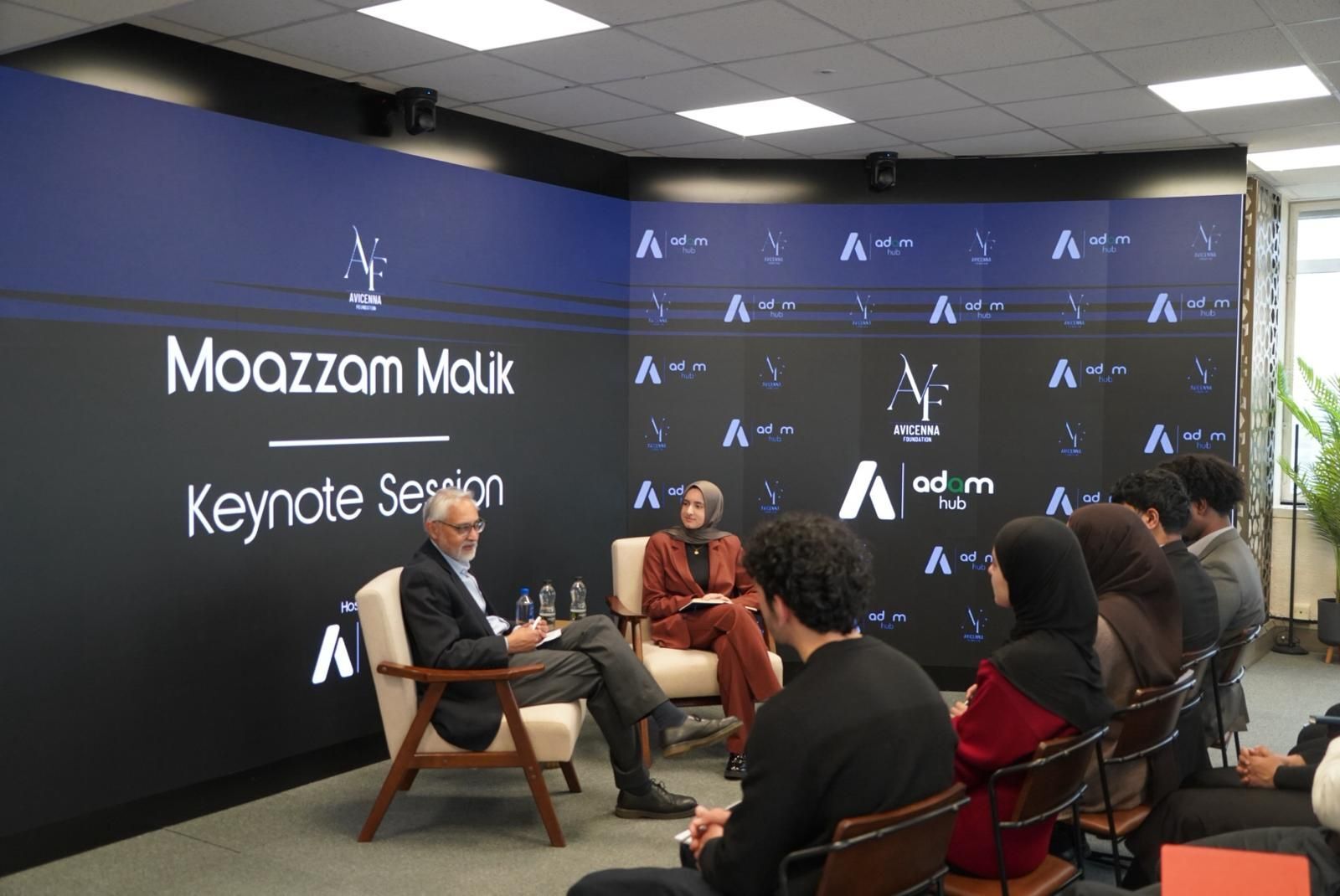
In 2006, Moazzam Malik was one of the senior civil servants working on the humanitarian crisis in Palestine, where aid was blocked at the borders and conditions were severe. He wrote a report setting out his concerns, but the response from above fell short of what he had hoped for. Looking back, he reflects that it was one of the moments when he felt his perspective as a Muslim civil servant was not always given the weight it deserved. Twenty years later, he is still working on the Palestine issue, now as CEO of Save the Children, and the crisis has only deepened.
But his career has taken him to very different places. He spent decades as a diplomat, including as British Ambassador to Indonesia and the ASEAN region from 2014 to 2019, and it is these memories he recalls most fondly. There was a parliamentary event inaugurated by a female scholar reciting the Quran, and one of Jakarta’s oldest and most traditional mosques hosted a jazz night every Ramadan, from iftar to suhoor on weekends, occasionally headlined by a Christian band. He smiles as he tells these stories.
Behind them is a question many of us in the room are grappling with: what does it mean to be modern and to be Muslim? Indonesia, he argues, has navigated this balance in a way Britain perhaps has not. It has brought people into the mosque and into community while embracing modernity rather than retreating from it.
His parents came to England to escape poverty, and growing up in Britain in the 1980s, racism and Islamophobia were something he encountered constantly. Education became the way forward. Alongside that came a principle from his parents and his faith that has stayed with him: a desire to give back and create opportunities for others.
He studied at LSE and Oxford, but says he truly learned economics while living in Uganda in his early twenties and working at the country’s central bank. The friendships he made there felt like family.
Listening to him, I realised that his career wasn’t really defined by the titles he had held, but by what had driven him throughout. Whether as a civil servant responding to humanitarian crises, a diplomat overseeing Britain’s engagement across Africa, or through his advocacy work helping to abolish the two-child benefit cap and lift hundreds of thousands of children out of poverty, the motivation was always the same: improving other people’s lives. He didn’t present it as idealism or something extraordinary. He spoke about it simply, as though helping others had always been a natural part of who he was.
It was clear that this sense of purpose had deep roots long before his career began: in his upbringing, his faith, and everything he had overcome to get where he was. It carried him through decades of setbacks and slow, often unglamorous work, the kind where you win some and lose others, and keep going regardless.
In a world where success is often measured by position, status, and achievement, holding onto that kind of motivation feels increasingly important. It was a quality that resonated with many of us in the room. Moazzam’s journey shows that purpose does not have to disappear once you gain influence or recognition. If anything, it can be the foundation for using that influence in service of others.
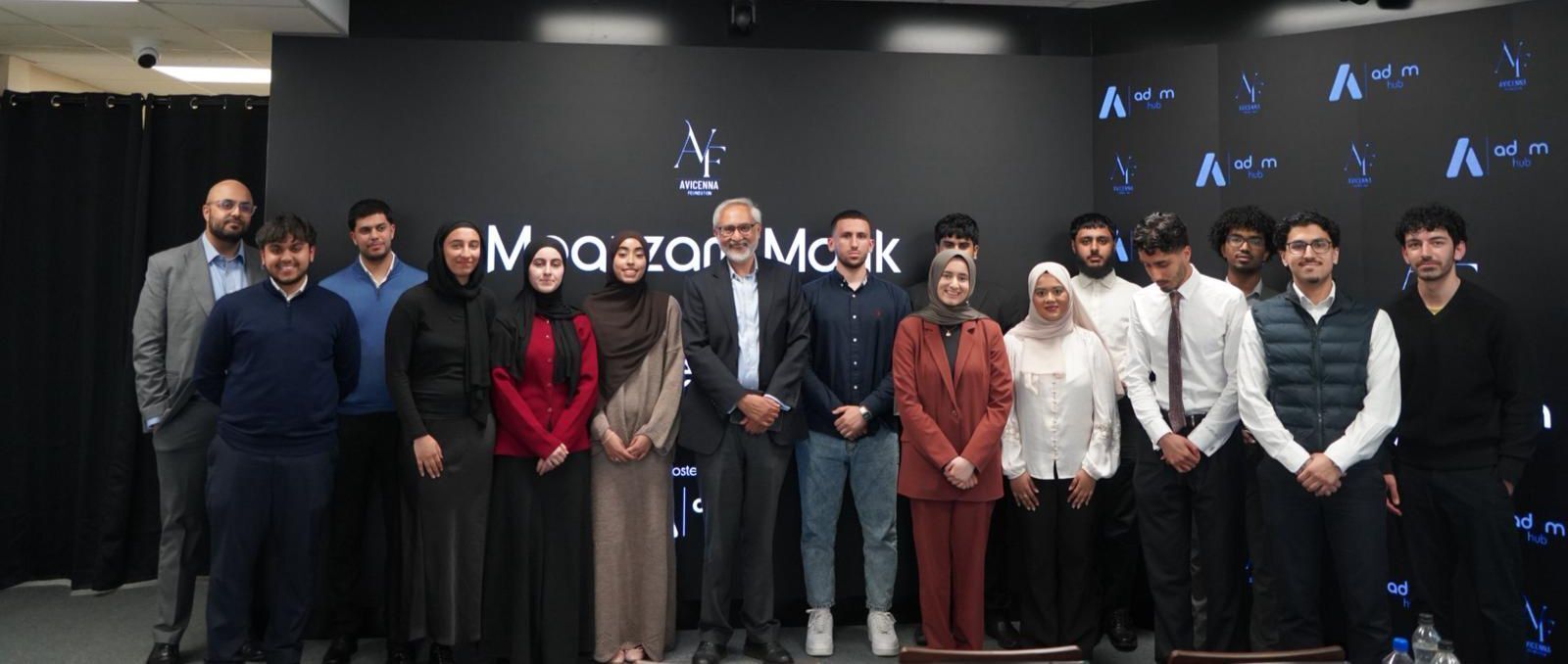
He ended by offering some advice to us as Avicenna Scholars: do things you genuinely enjoy, pursue what interests you, and do them well. Spend your time on what matters. It sounds simple, but from someone who has sat in the rooms of the Foreign Office and the World Bank, worked for years on the Palestine issue, and watched a jazz band play in a Jakarta mosque at 3am during Ramadan, those words felt especially meaningful.